- Follow Us:
- (910) 276-8400

Respite Care Challenges: What Families Should Know Before Getting Started
May 22, 2026
Stroke Recovery: What Families Need to Know About Rehabilitation
June 22, 2026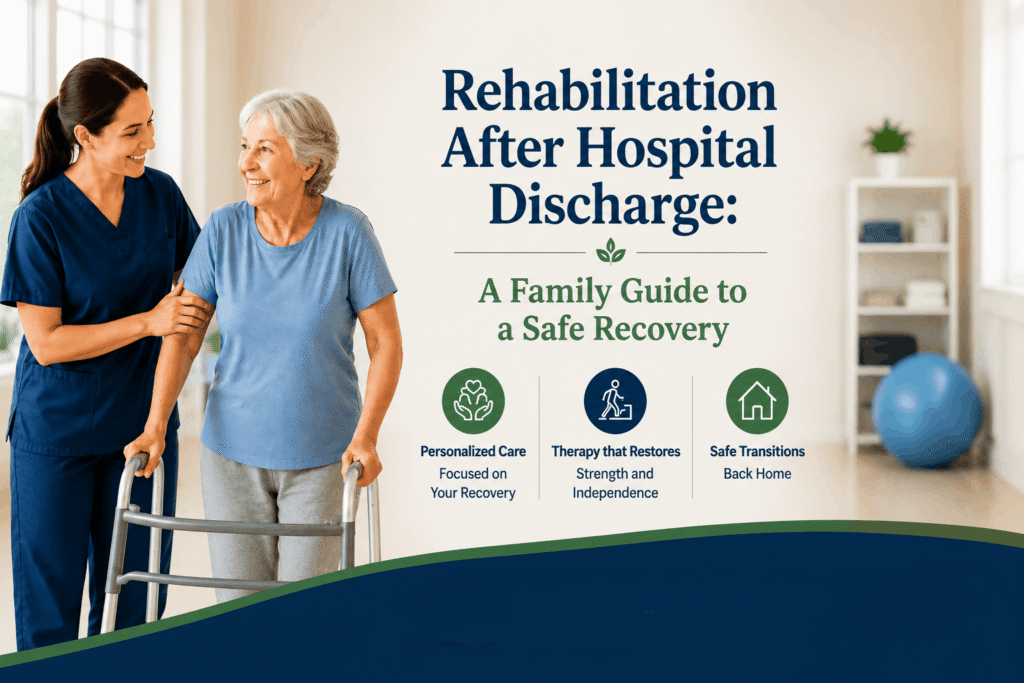
Leaving the hospital is a welcome milestone, but for many older adults, it is the beginning of recovery, not the end, and the right support can make that next chapter safer and steadier.
Healing rarely happens overnight. Recovering from surgery, illness, injury, or a hospital stay often calls for ongoing support, therapy, and professional medical oversight before a loved one can return safely to daily life.
Families are often faced with important decisions after discharge. Will a loved one be able to manage safely at home? Will they need therapy to regain strength and mobility? How can complications and hospital readmissions be prevented?
Understanding the role of rehabilitation and nursing care can help families make informed decisions and support their loved ones through a smoother recovery.
Jump To Section
The Bigger Picture
Why Rehabilitation After Hospital Discharge Matters
Hospital stays can take a significant toll on the body, especially for older adults. Even a relatively short hospitalization can lead to decreased strength, reduced mobility, fatigue, and difficulty performing everyday tasks.
Patients recovering from a range of conditions often benefit from continued care and therapy before returning home independently:

Joint replacement surgery
Stroke
Cardiac events
Pneumonia or respiratory illness
Falls and fractures
Serious infections
Extended hospital stays
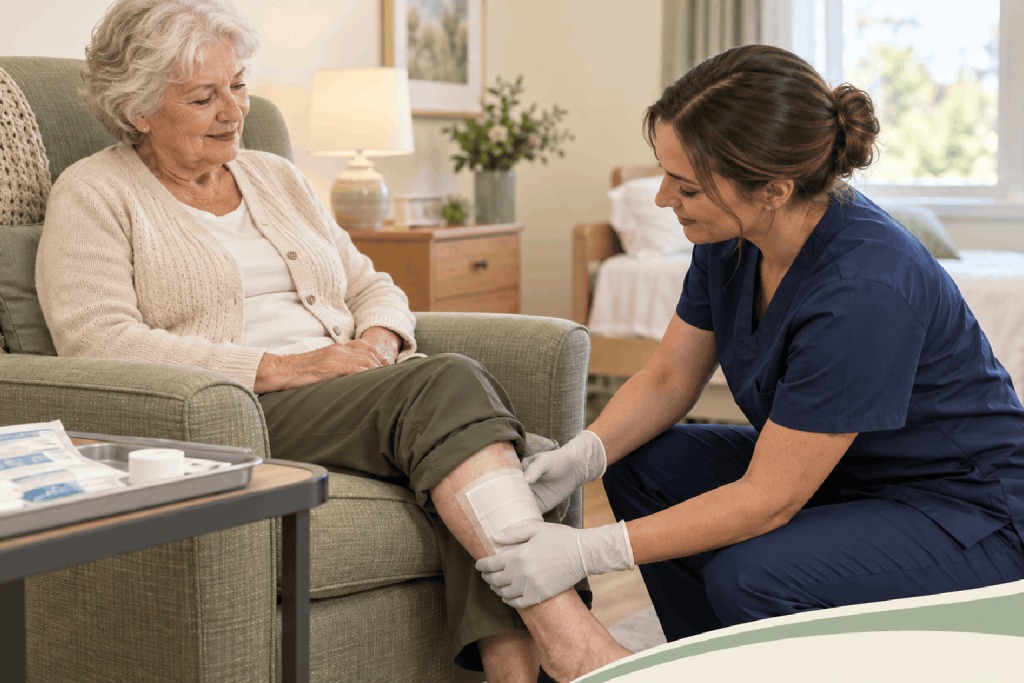
A skilled nursing facility provides a safe environment where patients can continue healing while receiving medical supervision, therapy services, and personalized care. This added support helps reduce the risk of setbacks and lets patients regain confidence before transitioning home.
The Process
What to Expect During the Rehabilitation Process
The transition from hospital to rehabilitation begins with a comprehensive assessment. Upon admission, the care team evaluates the patient’s medical condition, mobility level, cognitive abilities, nutritional needs, and recovery goals.
Based on these findings, an individualized care plan is developed that may include:
Skilled nursing care
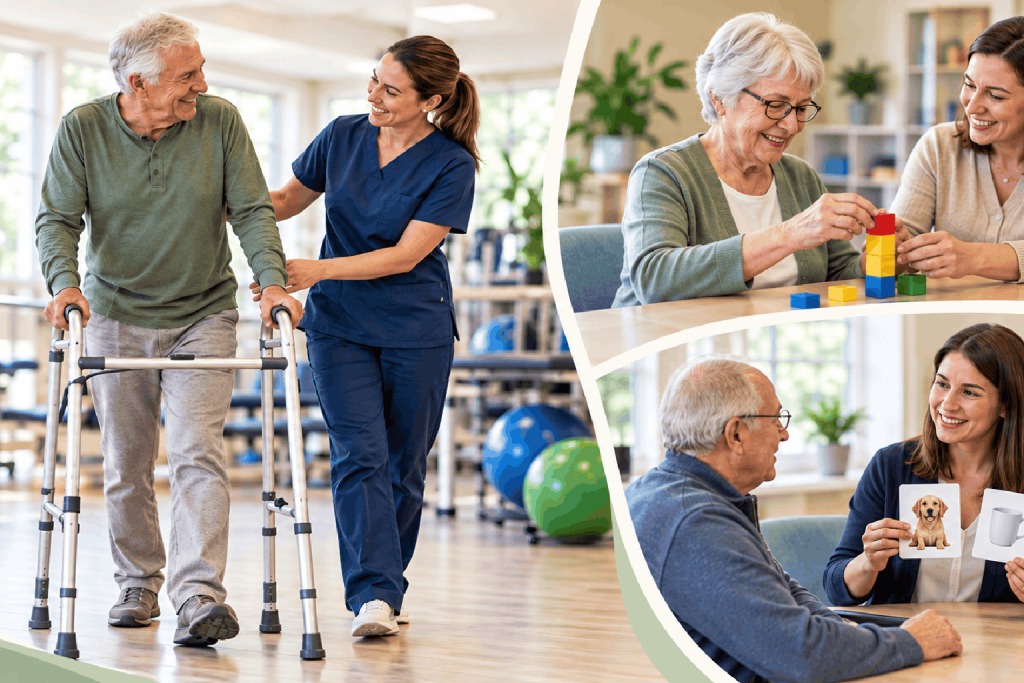
Physical therapy rehabilitation
Occupational therapy
Speech therapy
Medication management
Nutritional support
Discharge planning
The goal is not only to address immediate medical needs but also to help the patient regain as much independence as possible. Throughout the stay, progress is closely monitored, and care plans are adjusted as recovery milestones are achieved.
Rebuilding Strength
The Role of Physical Therapy Rehabilitation
One of the most important components of recovery is physical therapy rehabilitation. After illness, surgery, or injury, many seniors experience weakness, balance issues, stiffness, or reduced endurance. Physical therapists work with patients to rebuild strength and improve movement safely.
Physical therapy may focus on:
Improving balance and coordination
Increasing strength and flexibility
Restoring walking ability
Reducing fall risk
Enhancing endurance and stamina
Managing pain during recovery
These sessions help patients feel more confident in their movements while reducing the likelihood of future injuries or complications. For many individuals, physical therapy rehabilitation is a critical step toward returning to everyday activities and maintaining independence.
Everyday Living
How Occupational Therapy Supports Daily Living
While physical therapy focuses on movement and strength, occupational therapy helps patients regain the skills needed for daily life. Simple activities such as dressing, bathing, preparing meals, or getting in and out of bed may become difficult after a hospitalization.
Occupational therapists help patients relearn these essential tasks and introduce adaptive techniques or equipment when needed. Occupational therapy may address:
Personal hygiene and grooming
Dressing and bathing
Meal preparation
Home safety strategies
Energy conservation techniques
Adaptive equipment training
These services help seniors regain confidence and improve their ability to function independently once they return home.
Communication And Cognition
The Benefits of Speech Therapy During Recovery
Many families are surprised to learn that speech therapy often plays an important role in rehabilitation services for seniors. Speech-language pathologists assist patients who experience challenges related to communication, cognition, memory, or swallowing.
Speech therapy can be especially beneficial after:
Stroke
Neurological conditions
Head injuries
Certain surgeries
Extended illness
Treatment may focus on improving speech clarity, memory skills, problem-solving abilities, and safe swallowing techniques. By addressing these concerns early, patients can achieve better overall recovery outcomes and maintain a higher quality of life.
Staying On Track
How Rehabilitation Helps Prevent Hospital Readmissions
One of the greatest benefits of rehabilitation and nursing care is the reduction of hospital readmissions. Returning home too quickly or without adequate support can increase the risk of complications such as:
Falls
Medication errors
Infections
Poor nutrition
Dehydration
Worsening medical conditions
In a skilled nursing facility, healthcare professionals closely monitor patients, identify concerns early, and intervene before minor issues become serious problems. Therapists and nurses also educate patients and families about ongoing care needs, helping everyone feel more prepared for a successful transition home.
This comprehensive approach often leads to better long-term recovery and fewer emergency hospital visits.
For The Family
Practical Ways Families Can Support Recovery
Family involvement plays a vital role in the rehabilitation process. While professional care teams provide treatment and medical oversight, loved ones offer encouragement, motivation, and emotional support. Families can help by:
Attending care planning meetings when possible
Learning about therapy goals and progress
Encouraging participation in therapy sessions
Maintaining regular communication with the care team
Preparing the home for a safe return
Providing emotional reassurance throughout recovery
Patience is also important. Recovery timelines vary from person to person, and progress may come gradually. Celebrating small improvements can help keep patients motivated and positive.
Choosing Well
Choosing the Right Rehabilitation Partner
When selecting a rehabilitation provider, families should look for a facility that offers comprehensive rehabilitation services for seniors, experienced nursing staff, individualized care plans, and a strong commitment to patient-centered recovery. The right environment can make a meaningful difference in both the healing process and long-term outcomes.
At Scottish Pines Rehabilitation & Nursing Center, our team is dedicated to helping patients recover safely and confidently after a hospital stay. Through personalized rehabilitation and nursing care, skilled therapy services, and compassionate support, we help individuals regain strength, restore independence, and prepare for a successful return home.
Looking Ahead
Helping Your Loved One Recover with Confidence
Hospital discharge is not the end of recovery; it is the start of a new phase of healing. With the right support system, therapy services, and medical care, seniors can continue making meaningful progress toward improved health and independence.
Whether recovering from surgery, illness, or injury, a skilled nursing facility provides the professional care and rehabilitation resources needed to promote safer recoveries, reduce complications, and improve overall quality of life.
For families, understanding the rehabilitation process can bring peace of mind and confidence that their loved one is receiving the support they need every step of the way.
Planning a Safe Recovery After Discharge?
Our team is here to answer your questions and walk you through every step of rehabilitation and nursing care. Reach out to schedule a tour or talk with admissions.