- Follow Us:
- (910) 276-8400

Rehabilitation After Hospital Discharge: A Family Guide to a Safe Recovery
June 10, 2026
Speech Therapy After a Stroke: What to Expect During Recovery
July 15, 2026
A stroke can change life in an instant, but recovery is possible, and with the right rehabilitation many people regain function, rebuild confidence, and reclaim the daily life they love.
One moment, everything feels normal. The next, a loved one may be facing challenges with movement, speech, memory, or daily activities that once seemed effortless. For families, the days and weeks following a stroke can feel overwhelming, and questions about recovery, rehabilitation, and long-term outcomes often arise quickly.
The good news is that recovery is possible. While every stroke affects people differently, a comprehensive rehabilitation program can help many patients regain function, rebuild confidence, and improve their quality of life. Understanding the stroke recovery process can help families feel more prepared and better equipped to support their loved one every step of the way.
Jump To Section
The Foundation
Understanding Stroke Recovery Rehabilitation
Recovery begins as soon as a patient’s medical condition stabilizes. In many cases, rehabilitation starts while the patient is still in the hospital. Early intervention is important because the brain begins working to create new pathways and adapt after injury. The sooner rehabilitation begins, the greater the opportunity to improve function and maximize recovery potential.
However, stroke recovery rehabilitation does not end when a patient leaves the hospital. In fact, some of the most important progress often happens during the weeks and months that follow. This is where skilled rehabilitation services become essential.
Patients may transition to a rehabilitation center where they can receive ongoing therapy, nursing care, and medical supervision in a supportive environment designed specifically for recovery.
Timing Counts
Why Early Rehabilitation Matters
Time matters after a stroke. The first few months are often considered a critical period for recovery because the brain is particularly responsive to therapy and rehabilitation efforts. During this phase, patients frequently make significant gains in strength, mobility, communication, and independence.
Early rehabilitation can help:

Improve mobility and balance
Increase strength and coordination
Restore communication abilities
Reduce complications related to immobility
Promote greater independence
Improve overall recovery outcomes
Just as importantly, rehabilitation helps patients build confidence. Small victories can lead to meaningful progress, and those successes often motivate patients to keep working toward their goals.
Movement And Mobility
The Role of Physical Therapy After Stroke
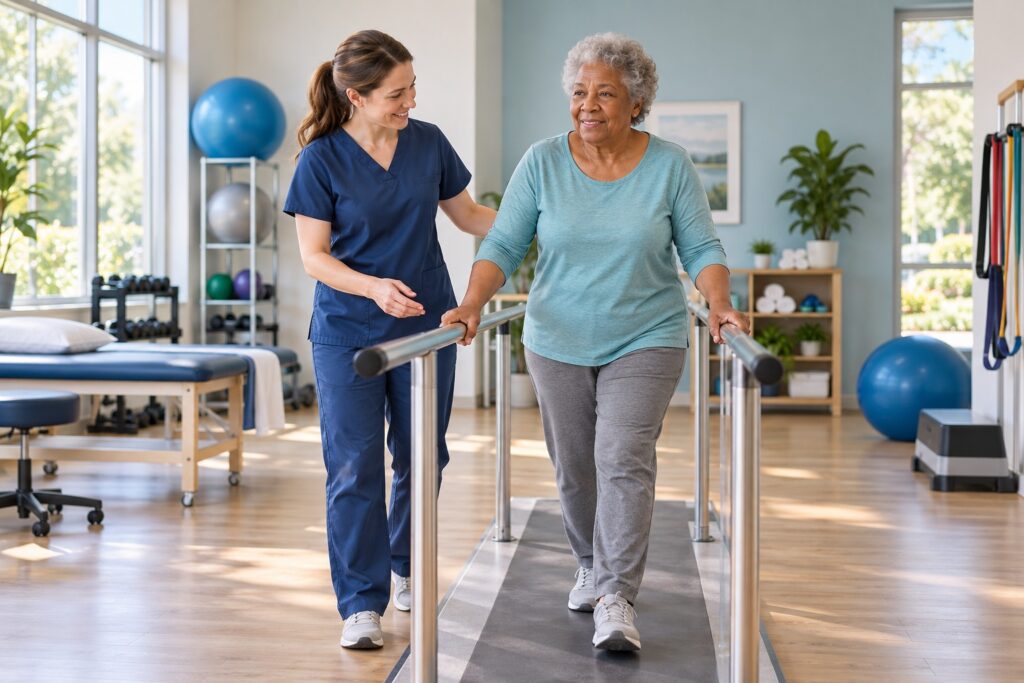
One of the most important components of recovery is physical therapy after stroke. A stroke can affect balance, coordination, muscle strength, and mobility. Some patients may experience weakness or paralysis on one side of the body, making everyday activities difficult.
Physical therapists develop personalized treatment plans that focus on helping patients regain movement and improve physical function. Therapy may include:
Walking exercises
Balance training
Strength-building activities
Range-of-motion exercises
Transfer training
Fall prevention strategies
Progress may happen gradually, and some days will feel easier than others. With consistency and professional guidance, many patients regain significant mobility and grow more confident navigating their daily lives.
Everyday Independence
How Occupational Therapy Supports Independence
While physical therapy focuses on movement, occupational therapy focuses on daily living. After a stroke, activities such as getting dressed, preparing meals, brushing teeth, or safely getting in and out of bed may become challenging. Occupational therapists help patients relearn these essential tasks while introducing adaptive techniques that make daily life more manageable.
Occupational therapy often addresses:
Dressing and grooming
Bathing and personal care
Meal preparation
Home safety skills
Fine motor coordination
Energy conservation techniques
These skills may seem simple, yet they are often the foundation of independence. By helping patients master everyday tasks, occupational therapy plays a vital role in improving confidence and quality of life.
Communication And Cognition
Speech Therapy and Cognitive Recovery
Not all stroke effects are visible. Many stroke survivors experience difficulties with communication, memory, problem-solving, or swallowing. These challenges can be frustrating for both patients and family members. Speech-language pathologists help patients address these issues through specialized therapy programs.
Speech therapy may focus on:
Improving speech clarity
Strengthening language skills
Enhancing memory and cognition
Developing problem-solving strategies
Treating swallowing difficulties
Communication is a major part of maintaining relationships and independence. Helping patients regain these abilities can significantly improve emotional well-being and overall recovery.
Around-The-Clock Support
The Importance of Skilled Nursing Care
Rehabilitation involves more than therapy sessions. Many stroke survivors require ongoing medical monitoring, medication management, and assistance with daily care during recovery. Skilled nursing care provides an additional layer of support that helps patients remain safe while they heal.
Nurses work closely with therapists, physicians, and family members to monitor progress, manage medical conditions, and address any concerns that arise during rehabilitation. This coordinated approach helps ensure that every aspect of recovery is being addressed, and it also helps reduce the risk of complications that could delay progress or lead to hospital readmission.
Progress Worth Noticing
Common Recovery Milestones
Every stroke recovery journey is unique. Some patients regain abilities quickly, while others need more time and support. Comparing one person’s progress to another’s is rarely helpful, because recovery depends on factors such as the severity of the stroke, overall health, age, and participation in therapy.
That said, families often notice milestones such as:
Improved balance and mobility
Increased strength and endurance
Better communication skills
Greater independence with daily tasks
Enhanced memory and concentration
Reduced need for assistance
Some milestones may seem small, yet each achievement represents meaningful progress toward recovery. Celebrating these moments can provide encouragement and motivation for everyone involved.
For The Family
How Families Can Support Recovery
Family support can make a tremendous difference during rehabilitation. Patients often face emotional challenges in addition to physical ones. Feelings of frustration, anxiety, sadness, or uncertainty are common, and a strong support system can help maintain motivation and foster a more positive recovery experience.
Families can help by:
Attending care meetings when possible
Encouraging participation in therapy
Celebrating progress and achievements
Learning about stroke recovery expectations
Creating a safe home environment
Practicing patience throughout the process
Recovery is rarely a straight line, and there may be setbacks along the way. Remaining supportive and encouraging can help patients stay focused on their long-term goals.
A Partner In Healing
Partnering for a Stronger Recovery
Choosing the right rehabilitation provider is an important part of the healing journey. At Scottish Pines Rehabilitation & Nursing Center, we understand that stroke recovery calls for a personalized approach. Our team provides comprehensive stroke rehabilitation services that combine physical therapy, occupational therapy, speech therapy, and skilled nursing care to help patients reach their highest level of independence.
Every recovery journey is different, and every patient deserves individualized support. Through compassionate care, expert rehabilitation services, and a commitment to helping patients reach their goals, Scottish Pines strives to make the transition from hospital to home as successful as possible.
Looking Ahead
Moving Forward After a Stroke
A stroke can be life-changing, but it does not have to define the future. With early intervention, dedicated rehabilitation, and ongoing family support, many stroke survivors make meaningful improvements and regain important aspects of their independence. Recovery takes time, patience, persistence, and the right team of professionals working together.
For families, understanding the rehabilitation process can provide reassurance during an uncertain time. For patients, it offers hope. And with comprehensive stroke recovery rehabilitation services, a brighter path forward is possible.
Supporting a Loved One After a Stroke?
Our team is ready to answer your questions and help you plan a personalized path to recovery. Reach out to schedule a tour or speak with admissions.