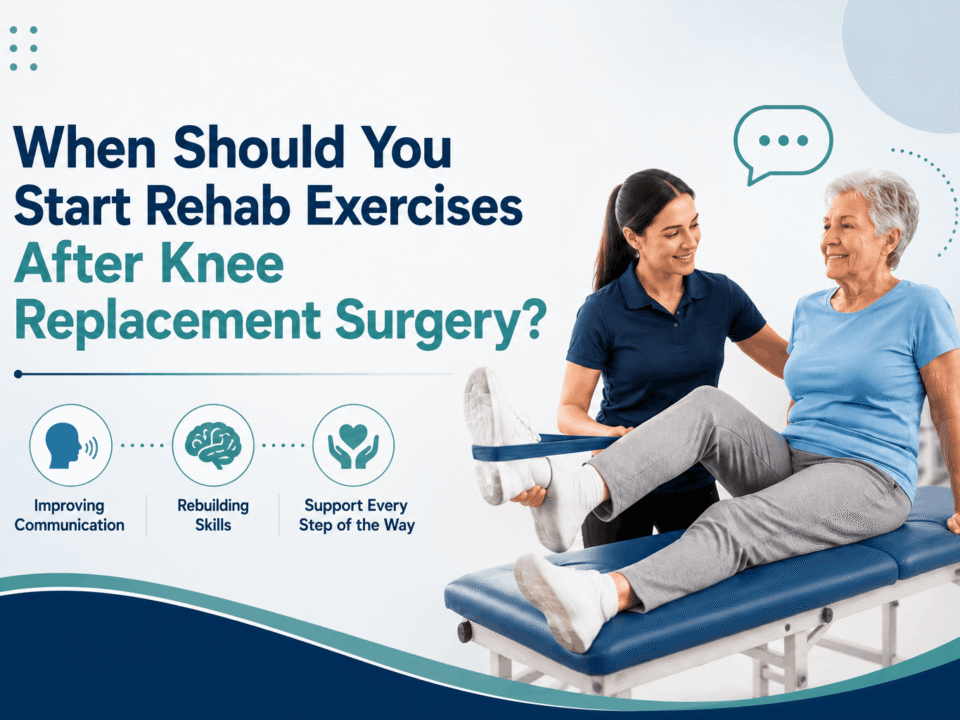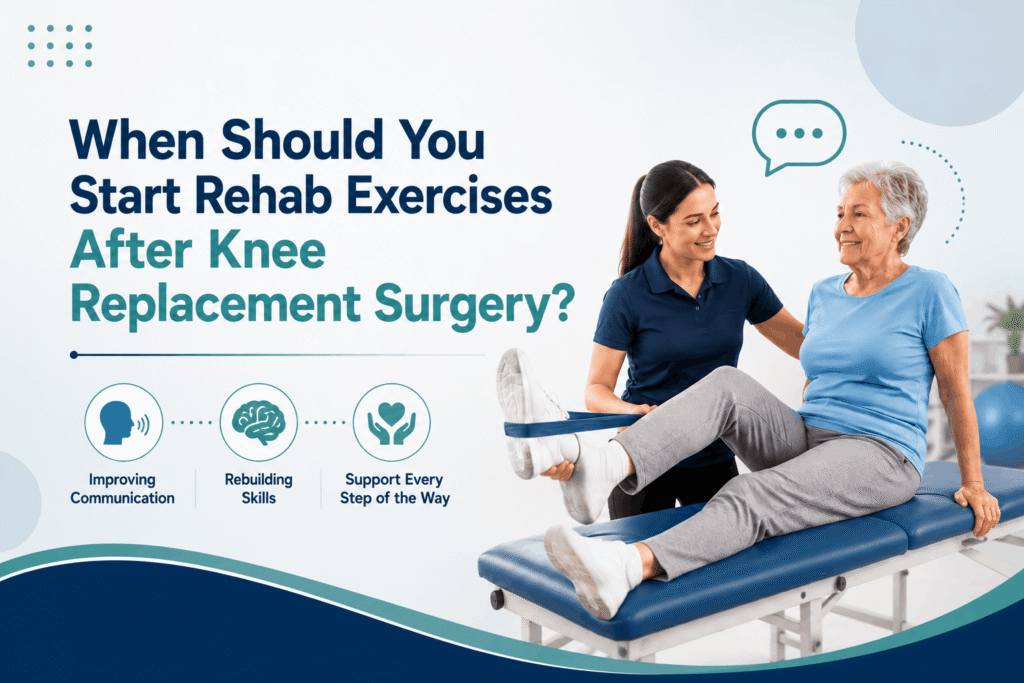

When Should You Start Rehab Exercises After Knee Replacement Surgery?
July 22, 2026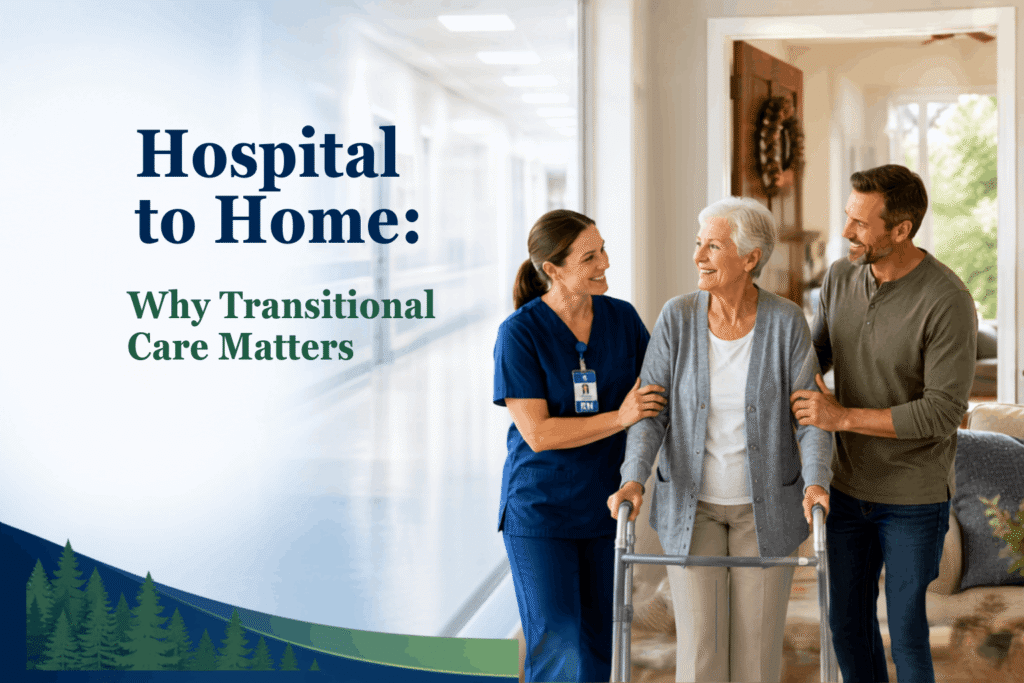
Leaving the hospital is an important step in recovery, but for many residents, additional support can help make the transition to the next stage of care safer and more manageable.
Leaving the hospital does not always mean the recovery process is complete. For many older adults and individuals recovering from surgery, illness, or injury, additional rehabilitation and nursing support may be appropriate after hospitalization.
Residents may still be rebuilding strength, adjusting to new medications, managing changes in mobility, or working toward greater independence with everyday activities. Returning home before the appropriate supports are in place may create challenges related to mobility, medication management, daily activities, or ongoing health needs.
At Scottish Pines Rehabilitation & Nursing Center, we help bridge the gap between hospital care and the next appropriate care setting through personalized transitional care, skilled nursing services, rehabilitation, and transition planning.
Our goal is to support residents as they work toward improved strength, mobility, daily function, and greater independence.
Jump To Section
Support Between Care Settings
What Is Transitional Nursing Care?
Transitional nursing care provides short-term clinical and rehabilitation support as residents move from one level of healthcare to another, often following hospitalization.
Depending on each resident’s condition and care needs, transitional care may provide a structured environment where recovery can continue with support from nursing and rehabilitation professionals.
Skilled nursing care
Physical therapy
Occupational therapy
Speech therapy
Medication management
Pain management support
Assistance with daily activities
Nutritional support
Transition and discharge planning
Available services depend on each resident’s clinical needs, physician recommendations, eligibility, insurance coverage, staffing, and service availability.
The focus is to support recovery while helping residents work toward improved function and prepare for the next appropriate stage of care.
Continuing Recovery
Why the Transition After a Hospital Stay Can Be Challenging
Hospital care often focuses on addressing an immediate illness, injury, surgery, or medical condition. After discharge, some residents may still experience weakness, fatigue, reduced mobility, or difficulty completing everyday tasks.
Activities such as walking, bathing, dressing, transferring, or navigating stairs may require additional support during recovery.
Some residents may also need assistance with medication routines, postsurgical care, wound management, or monitoring of existing health conditions.
These challenges can make the period after hospitalization more complex for residents and families.
For individuals who need additional clinical or therapy support, rehabilitation after a hospital stay may provide an opportunity to continue recovery before transitioning to the next appropriate care setting.
Care Built Around the Resident
Personalized Rehabilitation Based on Individual Needs
Every resident’s recovery experience is different. Individualized care planning helps the rehabilitation team address each person’s specific condition, abilities, and goals.
After admission to Scottish Pines Rehabilitation & Nursing Center, residents may receive clinical and therapy evaluations based on their individual care needs.
Mobility and strength
Medical history
Medication needs
Nutritional needs
Cognitive function
Daily living abilities
Personal rehabilitation goals
Using this information, the care team can develop an individualized plan based on the resident’s needs and physician recommendations.
Some residents may focus on rebuilding strength following surgery, while others may work on balance, mobility, communication, swallowing, or everyday living skills.
Therapy recommendations vary according to clinical need, eligibility, insurance coverage, staffing, and service availability.
Onsite Clinical Support
Skilled Nursing Care Provides Support During Recovery
Recovery involves more than scheduled therapy sessions. Our nursing and care staff are onsite throughout the day and night to provide support based on each resident’s individualized care plan.
Medication administration and monitoring
Health and comfort assessments
Postsurgical monitoring
Pain management support
Wound care when appropriate
Communication with physicians and healthcare providers
Assistance with personal care needs
Having professional nursing support available in the facility can provide additional reassurance for residents and families during the recovery process.
When changes or concerns arise, the nursing team can assess the situation and communicate with appropriate healthcare providers based on the resident’s care needs.
Coordinated Medication Support
Medication Management During Recovery
Medication routines may change following hospitalization. New medications may be prescribed, existing medications may be adjusted, or residents may need support managing schedules for pain medications, antibiotics, blood thinners, or treatments for chronic conditions.
These changes can be challenging, particularly for individuals taking multiple medications.
During hospital-to-home care, skilled nursing staff may assist with:
Medication administration
Monitoring for potential concerns
Resident education when appropriate
Communication with physicians and healthcare providers
Preparing residents and families for medication routines after discharge
Medication support is provided according to physician orders and each resident’s individualized care plan.
Planning Ahead
Preparing Residents for the Next Stage of Care
An important part of transitional rehabilitation is helping residents prepare for what comes next.
For some residents, this may mean returning home. Others may require additional support, continued therapy, home healthcare, outpatient services, or another care setting.
Therapy may focus on practical skills such as:
Walking and mobility
Transfers
Balance and strength
Dressing and personal care
Navigating stairs
Using adaptive equipment
Completing everyday activities
As the transition approaches, residents and families may also receive education related to safety, mobility, equipment, medications, continued therapy, and follow-up care.
Discharge recommendations are based on the resident’s condition, progress, abilities, home environment, support system, and ongoing care needs.
Communication That Matters
Family Involvement During Rehabilitation
Recovery and care transitions often involve both residents and their loved ones. Family members may participate in care planning discussions, learn about therapy recommendations, ask questions, and help prepare for the resident’s next stage of care.
At Scottish Pines Rehabilitation & Nursing Center, we encourage appropriate communication between residents, families, and the care team based on each resident’s preferences and needs.
Clear communication can help families better understand the care plan, rehabilitation goals, and recommendations for continued support after discharge.
Finding the Right Support
Choosing a Transitional Care Provider
Choosing a rehabilitation and skilled nursing provider is an important decision for residents and families.
When exploring transitional care options, families may want to consider whether a center provides:
Personalized rehabilitation services
Skilled nursing support
Individualized care planning
Communication with residents and families
Medication management
Transition and discharge planning
Coordination among therapy, nursing, and healthcare providers
The appropriate care setting will depend on the resident’s individual medical, rehabilitation, and support needs.
Care You Can Count On
Why Families Choose Scottish Pines Rehabilitation & Nursing Center
At Scottish Pines Rehabilitation & Nursing Center, we understand that recovery may continue after a resident leaves the hospital.
Our personalized transitional nursing care services provide nursing support, rehabilitation options, and compassionate care during this stage of recovery.
Depending on clinical needs and eligibility, residents may receive:
Physical therapy
Occupational therapy
Speech therapy
Skilled nursing care
Medication management
Care coordination
Transition and discharge planning
Our team works with residents, families, physicians, and other healthcare professionals to support an individualized recovery and transition plan.
Whether a resident is recovering from surgery, illness, injury, or hospitalization, our focus remains on personalized care, safety, comfort, and greater independence.
Common Questions
Frequently Asked Questions About Transitional Care
1. Who may benefit from transitional rehabilitation after a hospital stay?
Residents recovering from surgery, illness, injury, stroke, or hospitalization may benefit from transitional rehabilitation when additional nursing care or therapy is clinically appropriate. Services depend on individual needs, physician recommendations, eligibility, insurance coverage, staffing, and availability.
2. Does every resident return home after transitional rehabilitation?
No. Each resident’s next step depends on their progress, abilities, care needs, home environment, and available support. Some residents may return home, while others may continue with additional services or transition to another appropriate care setting.
3. What services may be included in transitional care?
Depending on the resident’s individualized care plan, transitional care may include skilled nursing support, physical therapy, occupational therapy, speech therapy, medication management, care coordination, and discharge or transition planning.
Looking Ahead
Supporting a Safer Transition After Hospitalization
The transition after hospitalization can involve more than simply moving from one location to another. Residents may need additional nursing support, therapy, education, medication management, and care coordination as they continue their recovery.
Through personalized hospital-to-home care and transitional rehabilitation services, Scottish Pines Rehabilitation & Nursing Center supports residents as they work toward improved strength, mobility, daily function, and independence.
For some residents, the next step may be returning home. For others, continued services or another appropriate care setting may be recommended based on their needs and progress.
Our team remains focused on providing compassionate, resident-centered support throughout the recovery and transition process.
Personalized care. Coordinated recovery support. A safer transition to the next stage of care.
Need Support After a Hospital Stay?
Our rehabilitation and nursing team provides personalized support to help residents continue their recovery and prepare for the next appropriate stage of care. Contact us to learn more or schedule a tour.