- Follow Us:
- (910) 276-8400


Speech Therapy After a Stroke: What to Expect During Recovery
July 15, 2026
Hospital to Home: Why Transitional Care Matters at Scottish Pines Rehab
August 17, 2026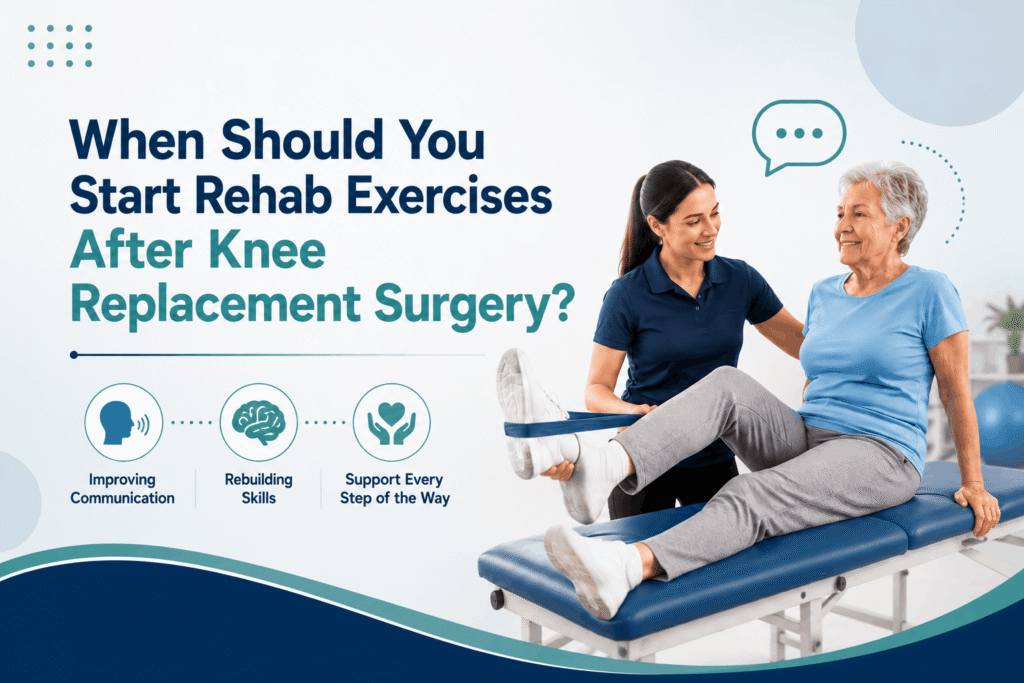
The surgery is a milestone, but the recovery that follows is where mobility, strength, and independence are truly rebuilt.
Knee replacement surgery can be life-changing for people who have spent months, or even years, living with chronic pain, stiffness, and limited mobility. Many patients look forward to finally walking more comfortably, enjoying favorite activities again, and regaining their independence. But while the surgery itself is an important milestone, recovery doesn’t stop when the procedure is over. In fact, some of the most important work begins afterward.
One of the most common questions patients and families ask is, “When should rehab start after knee replacement surgery?” The answer often surprises people, because rehabilitation usually begins much sooner than expected. Starting movement and therapy early plays a critical role in helping patients recover safely, restore mobility, and achieve the best possible long-term results.
Jump To Section
Starting Sooner Than Expected
Rehabilitation Often Begins Within 24 Hours
In many cases, patients begin moving and performing simple exercises within hours of surgery or by the next day. While this may sound intimidating, early movement is one of the most effective ways to promote healing and reduce complications. Under the guidance of healthcare professionals, patients often begin with simple activities such as:

Gentle ankle pumps
Leg raises
Knee bends
Standing with assistance
Short walks using a walker or other support device
These early movements help improve circulation, reduce swelling, lower the risk of blood clots, and begin restoring movement in the new joint. The goal isn’t to push too hard too quickly. Instead, the focus is on safe, gradual progress that encourages healing while building confidence.
Weeks Two to Six
The First Few Weeks: Building a Foundation
The first two to six weeks after surgery are often focused on improving flexibility, reducing stiffness, and increasing mobility. This is where rehab exercises after knee replacement become especially important. During this stage, physical therapists typically guide patients through exercises designed to improve:
Range of motion
Muscle strength
Knee flexibility
Balance
Walking ability
Endurance
Patients may practice activities such as heel slides, seated knee extensions, standing leg lifts, gentle stretching, walking programs, and transfer training for getting in and out of chairs or bed. Consistency is often more important than intensity during this stage. Completing exercises regularly helps prevent stiffness while encouraging the new joint to move more naturally over time.
The Case for Movement
Why Early Rehabilitation Matters
It can be tempting to rest and avoid movement after surgery, especially when discomfort is present. However, delaying rehabilitation can actually make recovery more difficult. Without regular movement and exercise, patients may experience:
Increased stiffness
Reduced flexibility
Muscle weakness
Poor balance
Slower recovery
Difficulty returning to daily activities
Early rehabilitation helps prevent these issues while promoting faster functional improvement. Every exercise session contributes to rebuilding the strength and mobility needed for long-term success.
Staying Comfortable
Managing Pain During Recovery
Pain management is an important part of rehabilitation after knee replacement surgery. Many patients worry that discomfort will prevent them from participating in therapy. Fortunately, rehabilitation teams use a variety of strategies to help patients stay comfortable while remaining active. Pain management approaches may include:
Medication management
Ice therapy
Elevation
Compression
Activity pacing
Proper positioning techniques
Therapists also carefully balance activity levels to avoid overexertion while still encouraging steady progress. Some soreness during rehabilitation is normal, but severe pain should always be discussed with the healthcare team. The goal is to challenge the body enough to promote healing without creating unnecessary discomfort.
Weeks Six to Twelve
The Middle Stages of Recovery
As healing continues, rehabilitation exercises become more advanced. Between six and twelve weeks after surgery, many patients begin focusing on improving walking endurance, climbing stairs, increasing strength, enhancing balance, returning to household activities, and improving overall mobility. Exercises may gradually include:
Stationary cycling
Resistance exercises
Step training
Balance activities
Functional movement exercises
This stage often brings exciting milestones. Patients may transition from walkers to canes or from canes to walking independently. Many individuals also notice significant improvements in pain levels and overall function during this period.
A Personal Pace
Every Recovery Timeline Is Different
One of the most important things for patients to remember is that recovery is highly individual. Some people progress quickly, while others need additional time and support. Several factors influence recovery, including:
Age
Overall health
Pre-surgery activity level
Muscle strength before surgery
Existing medical conditions
Commitment to rehabilitation
Comparing your progress to someone else’s recovery journey can lead to unnecessary frustration. The most important goal is steady improvement over time. A personalized rehabilitation plan ensures exercises remain appropriate for each patient’s abilities and goals.
Expert Guidance
The Role of Skilled Rehabilitation Services
Recovering from knee replacement surgery often involves much more than completing exercises independently at home. Professional rehabilitation services provide structure, supervision, encouragement, and expert guidance throughout the recovery process. Therapists monitor progress, adjust exercises, and help identify potential challenges before they become larger problems. Comprehensive rehabilitation services in NC often include:
Physical therapy
Pain management support
Mobility training
Fall prevention education
Strength training
Discharge planning
Home safety recommendations
Having access to experienced rehabilitation professionals can make a significant difference in both recovery outcomes and confidence levels.
Around-the-Clock Care
Skilled Nursing Support During Recovery
Many patients benefit from additional nursing support during the early stages of recovery. Skilled nursing teams assist with:
Medication management
Wound care
Monitoring for complications
Pain management
Coordination of therapy services
Assistance with daily activities
This level of support allows patients to focus their energy on healing and rehabilitation rather than worrying about managing every aspect of recovery alone. Families also gain peace of mind knowing their loved one is receiving professional care throughout the process.
The Goal That Matters
Returning to Daily Activities
One of the most rewarding parts of rehabilitation is returning to the activities that matter most. For some patients, success means walking through the grocery store without pain. For others, it’s gardening, traveling, attending family events, or playing with grandchildren.
Every milestone matters. Whether it’s climbing stairs, getting into a car more easily, or taking a longer walk than the day before, these achievements represent meaningful progress on the road to recovery.
Rehabilitation programs are designed to support these personal goals. By gradually rebuilding strength, flexibility, and endurance, patients gain the confidence needed to return to everyday life safely and independently.
Care You Can Count On
How Scottish Pines Supports Knee Replacement Recovery
At Scottish Pines Rehabilitation & Nursing Center, we understand that successful recovery after knee replacement surgery requires more than time alone. Through personalized therapy plans, skilled nursing care, and compassionate support, our team helps residents achieve the best possible outcomes following surgery.
Our experienced rehabilitation professionals work closely with each patient to develop individualized treatment plans focused on restoring mobility, improving strength, and promoting long-term independence. By combining expert therapy with comprehensive rehabilitation services in NC, we help patients recover with confidence every step of the way.
Looking Ahead
A Stronger, More Active Future Is Within Reach
The answer to “When should you start rehab exercises after knee replacement?” is often simple: sooner than you may think. Early movement and guided therapy play an essential role in reducing stiffness, improving flexibility, rebuilding strength, and restoring independence after surgery.
Through personalized rehabilitation plans, effective pain management, and professional support, patients can achieve meaningful improvements and return to daily activities more safely and confidently. At Scottish Pines, our dedicated team is committed to helping every patient navigate recovery with expert care, encouragement, and compassionate support. With the right rehabilitation plan and access to high-quality rehabilitation services in NC, a stronger, more active future is well within reach.
Recovering From Knee Replacement Surgery?
Our rehabilitation and nursing team is here to guide you through every stage, from your first steps to full independence. Reach out to learn more or schedule a tour.