- Follow Us:
- (910) 276-8400

Signs a Senior May Need Short-Term Rehabilitation After Knee Replacement
November 6, 2026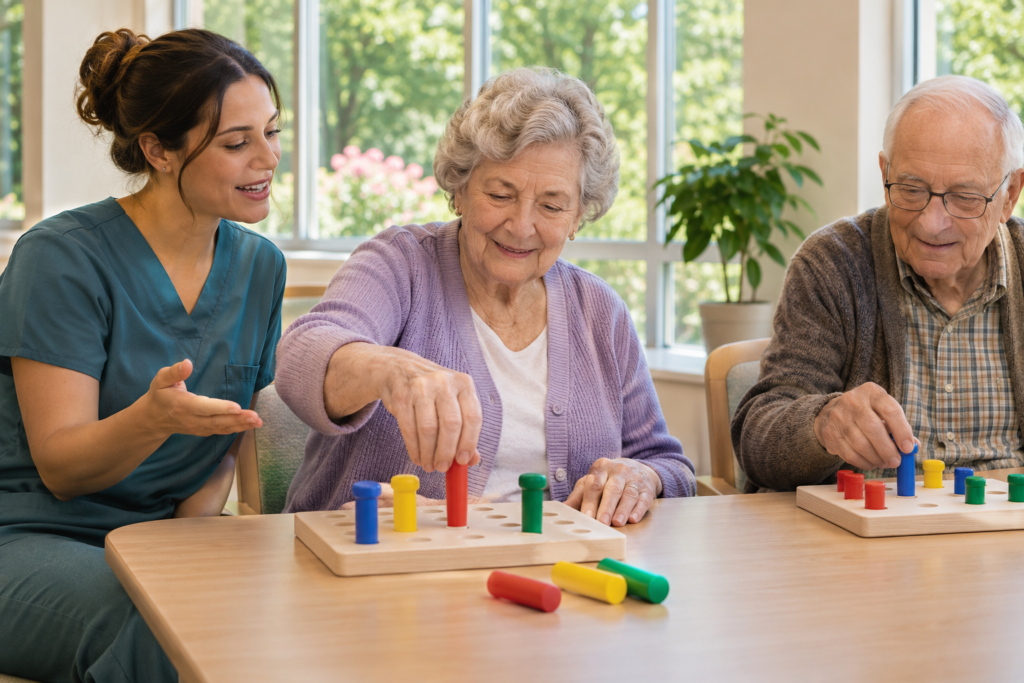
Meaningful activities can help seniors stay engaged, connected, and motivated during recovery.
Recovering from an illness, injury, or surgery involves more than attending therapy sessions and following medical instructions. For older adults, recovery can also mean adjusting to changes in daily routines, rebuilding confidence, and finding the motivation to keep moving forward when progress feels slow. While physical rehabilitation and nursing care are important parts of this process, meaningful activities can also shape how seniors experience recovery.
Think about what makes an ordinary day enjoyable. A conversation with a friend, listening to favorite music, working on a hobby, or sharing a laugh during a game can provide something to look forward to. These experiences don’t lose their value when someone enters a rehabilitation or long-term care community. In fact, they may become even more meaningful during a period of transition.
Therapeutic activities for seniors help create opportunities for connection, creativity, mental engagement, and personal enjoyment. When activities are thoughtfully matched to a resident’s interests and abilities, they can complement rehabilitation services while supporting emotional well-being and overall quality of life.
At Scottish Pines Rehabilitation & Nursing Center in Laurinburg, North Carolina, therapeutic activities are personalized around residents’ preferences, abilities, and care goals, helping them remain engaged in experiences that matter to them.
Jump To Section
Recovery and Daily Life
Why Meaningful Activities Matter During Senior Recovery
A rehabilitation stay can be a significant adjustment for an older adult. Someone who was previously independent may suddenly need assistance with walking, dressing, bathing, or other everyday activities. Familiar routines may be interrupted by therapy appointments, medical care, and the physical demands of recovery.
Even when rehabilitation is progressing as expected, these changes can sometimes lead to frustration, boredom, or feelings of isolation.
Meaningful activities provide opportunities to enjoy life beyond medical appointments and therapy sessions. They can give residents a reason to get involved, spend time with others, and focus on something they genuinely enjoy.
For example, a resident recovering from hip surgery may look forward to a weekly music program, while someone recovering from a prolonged illness may enjoy joining friends for a card game. These experiences may not directly address a clinical rehabilitation goal, but they can contribute to a more positive and engaging daily routine.
The value of senior rehabilitation activities often comes from helping residents feel that recovery is only one part of their day, rather than the only thing defining their experience.
Motivation
Therapeutic Activities Can Help Residents Stay Motivated
Recovery doesn’t always follow a predictable schedule. Some days bring noticeable improvements, while others may involve fatigue, discomfort, or frustration. For seniors who are working to regain strength and mobility, staying motivated through these ups and downs can be challenging.
Having enjoyable activities on the calendar can provide something positive to look forward to.
A resident who loves painting may look forward to an afternoon art program. Someone who enjoys friendly competition may be eager to attend bingo or trivia. Others may find encouragement in music, seasonal celebrations, or simply spending time with familiar faces.
These activities can help residents maintain a sense of routine and purpose during rehabilitation.
They also provide opportunities to make choices. Residents may decide which activities interest them, how they want to participate, and when they prefer quiet time instead.
Those decisions matter, particularly for individuals who temporarily need more assistance with everyday tasks. Having opportunities to express personal preferences can help preserve a sense of independence and control.
Cognitive Engagement
Cognitive Stimulation Through Games, Music, and Creative Activities
Keeping the mind engaged is another benefit of therapeutic activities.
Activities such as trivia, puzzles, card games, reading, music, and creative projects can encourage attention, memory, problem-solving, and decision-making. The specific type of mental engagement varies depending on the activity and the individual’s abilities.
For example, a trivia game may encourage residents to recall familiar information, while a card game may involve strategy and concentration. Arts and crafts can offer opportunities to choose colors, patterns, and materials.
Music can be particularly meaningful because familiar songs often inspire memories and conversation. A favorite tune may remind someone of a wedding, a childhood experience, or a special family tradition.
These activities aren’t intended to replace clinical treatment for cognitive concerns. Instead, they provide enjoyable opportunities for residents to think, create, remember, and interact with others.
The emphasis should remain on participation and enjoyment rather than performance. A resident doesn’t need to answer every trivia question correctly or complete a perfect craft project to benefit from the experience.
Creative Expression
Creative Activities Encourage Self-Expression and Confidence
For many older adults, hobbies have been an important part of their identities for decades.
Someone who spent years sewing, gardening, woodworking, painting, or decorating may still enjoy those interests even if physical limitations require a different approach.
Creative activities can help maintain those connections.
A resident who previously enjoyed gardening may appreciate working with indoor plants or participating in seasonal floral projects. Someone who loves art may enjoy painting or coloring, while another resident may prefer creating decorations for a holiday celebration.
These experiences allow residents to express personal preferences and contribute something of their own.
Completing a project can also provide a sense of accomplishment, especially when other daily activities require assistance.
However, the finished product isn’t always the most important part. Sometimes the enjoyment comes from choosing materials, sharing ideas, or spending an afternoon creating something alongside friends.
Therapeutic activities for seniors are most meaningful when they reflect the individual rather than expecting everyone to enjoy the same projects.
Everyday Movement
Appropriate Movement Can Be Part of Everyday Activities
Movement is an important part of many rehabilitation programs, but not every opportunity for physical activity needs to take place during a formal therapy session.
Depending on a resident’s abilities and medical recommendations, recreational programs may include gentle seated movement, music-based activities, balloon games, or other opportunities for safe physical participation.
These activities can make movement feel enjoyable and social rather than purely task-oriented.
For example, a resident who isn’t particularly interested in traditional exercise may enjoy participating in a seated group game that involves reaching or passing a lightweight object. Another resident may enjoy clapping along to music or participating in a movement activity adapted to their abilities.
These experiences can complement rehabilitation by providing additional opportunities for appropriate engagement in daily life.
However, recreational activities are not a substitute for physical or occupational therapy. Formal rehabilitation services address specific functional goals through individualized treatment plans developed by qualified professionals.
The two serve different purposes, but both can contribute to a resident’s overall experience.
Rehabilitation
How Therapeutic Activities Complement Physical and Occupational Therapy
Physical and occupational therapy often focus on helping seniors improve their ability to perform everyday tasks.
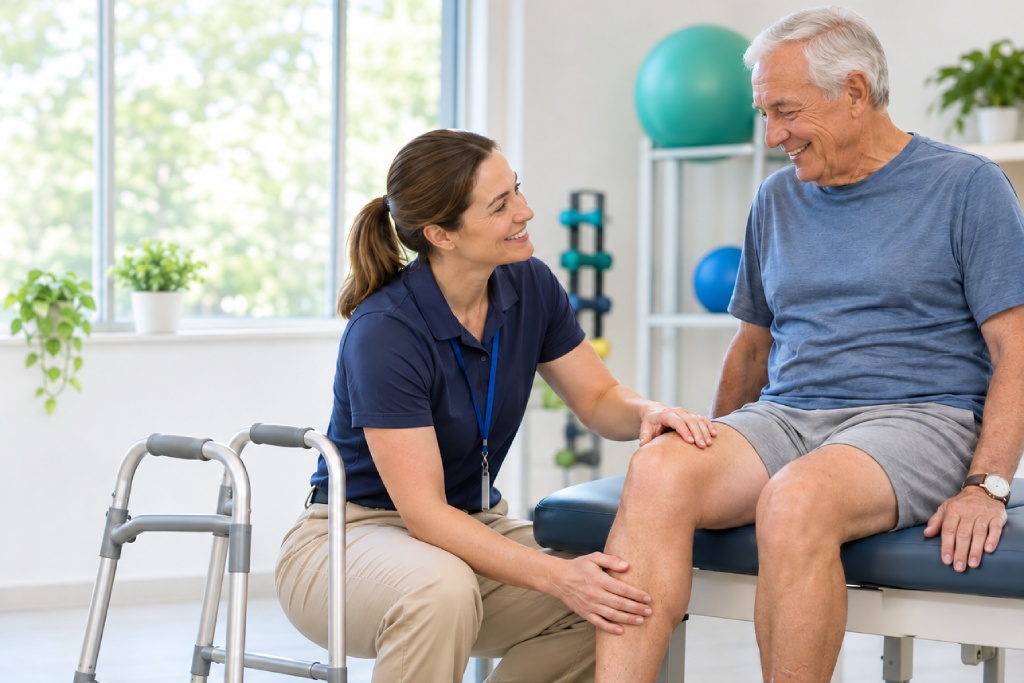
Physical therapy may address walking, balance, strength, transfers, and mobility. Occupational therapy may focus on dressing, bathing, grooming, and other activities needed for daily living.
Therapeutic activities can complement these services by giving residents meaningful reasons to use their abilities outside formal treatment sessions, when appropriate.
Consider a resident who is working on safely walking longer distances. Attending a favorite group activity may provide a practical reason to move through the community with the recommended level of assistance.
Another resident who is improving upper-body function may enjoy participating in a craft that involves using their hands and making creative choices.
These activities shouldn’t be viewed as additional therapy unless they are specifically incorporated into a professional treatment plan. Their primary purpose is to encourage participation, enjoyment, and connection.
Still, everyday experiences can help residents recognize why functional abilities matter. Rehabilitation goals become more personal when they relate to activities someone wants to enjoy.
Emotional Well-Being
Activities Can Support Emotional Well-Being During Difficult Transitions
Recovering from a medical event can be emotionally challenging.
A senior who has always been independent may feel discouraged about needing assistance. Someone recovering from a stroke or serious illness may become frustrated by changes in mobility or communication. Residents transitioning into long-term care may also experience sadness about leaving familiar surroundings.
Meaningful activities can provide comfort and opportunities for positive experiences during these transitions. A familiar song, a favorite hobby, or an afternoon spent laughing with friends may offer a welcome break from the demands of recovery.
Activities can also help residents maintain connections to their personal histories and interests, reinforcing that they remain individuals with unique experiences and preferences.
Of course, recreational activities aren’t a replacement for professional mental health care when it is needed. Persistent sadness, withdrawal, significant anxiety, or other concerning emotional changes should be discussed with appropriate healthcare professionals.
Supporting emotional well-being involves recognizing both the value of everyday enjoyment and the importance of addressing individual needs.
Personalized Activities
Personalization Makes Therapeutic Activities More Meaningful
A successful activities program isn’t simply about filling a calendar with events. It’s about providing opportunities that residents genuinely want to participate in.
Some people enjoy lively group activities, while others prefer quieter hobbies or small gatherings. A resident who loves music may be enthusiastic about performances but have little interest in bingo. Someone who enjoys puzzles may prefer independent activities over large social events.
Physical and cognitive abilities also influence participation. A resident with limited mobility may need an activity adapted for seated participation. Someone with vision or hearing changes may benefit from adjustments to materials or the environment.
Personalization helps make activities more accessible, comfortable, and enjoyable.
At Scottish Pines, senior rehabilitation activities are approached with attention to residents’ interests, preferences, abilities, and care goals. This individualized approach helps ensure that activities remain meaningful rather than becoming another task residents feel obligated to complete.
Family Involvement
Family Involvement Can Make Activities Even More Meaningful
Family members often know which interests, traditions, and experiences have been most important throughout their loved one’s life. They may know that Mom has always loved gardening, Dad enjoys classic country music, or Grandma never misses an opportunity to play cards. Sharing these details with the care team can help identify activities that feel familiar and enjoyable.
Families can also encourage engagement by asking residents about their favorite programs, discussing upcoming events, or joining appropriate activities during visits. For example, a family member might bring photographs for a reminiscence conversation, work on a puzzle during a visit, or attend a seasonal celebration.
These shared experiences can help residents maintain important relationships while creating new memories.
Family involvement should always reflect the resident’s preferences. Some individuals may enjoy having relatives participate in activities, while others appreciate opportunities to develop friendships and interests independently.
Long-Term Care
Therapeutic Activities Matter in Long-Term Care, Too
Although activities can be especially valuable during rehabilitation, their importance doesn’t end when a resident’s immediate recovery goals change.
For individuals receiving long-term nursing care, meaningful activities can help create enjoyable routines, encourage friendships, and provide opportunities for personal expression. Residents may look forward to weekly games, music programs, holiday celebrations, creative projects, or conversations with friends. These experiences can contribute to a sense of community and belonging.
They also give residents opportunities to keep exploring interests and making choices, even when medical conditions or physical limitations affect other parts of daily life.
Whether someone is receiving short-term rehabilitation or long-term nursing care, opportunities for meaningful engagement remain an important part of supporting quality of life.
Care at Scottish Pines
Supporting Meaningful Engagement at Scottish Pines Rehabilitation & Nursing Center
At Scottish Pines Rehabilitation & Nursing Center, we recognize that caring for seniors involves more than addressing medical needs or helping residents complete therapy sessions. It’s also about supporting the interests, relationships, and everyday experiences that make life meaningful.
Our approach to therapeutic activities considers each resident’s interests, abilities, preferences, and individual care goals.
Through opportunities for social interaction, cognitive engagement, creative expression, and appropriate recreational participation, residents can remain connected to activities they enjoy while receiving the care and support they need.
For individuals participating in Scottish Pines rehabilitation services, these activities can complement physical and occupational therapy by encouraging involvement in everyday life beyond formal treatment sessions.
For residents receiving long-term nursing care, meaningful activities can help create familiar routines, build friendships, and support overall well-being.
Recovery and daily life are about more than physical abilities alone. They’re also about maintaining connections, finding enjoyment, expressing individuality, and having something to look forward to.
A favorite song may bring back a treasured memory. A creative project may provide a sense of accomplishment. A group activity may lead to a lasting friendship. And a simple conversation may help someone feel more connected to the community around them.
At Scottish Pines, making room for these experiences is part of supporting residents as individuals throughout rehabilitation and long-term care.
Common Questions
Frequently Asked Questions About Therapeutic Activities for Seniors
What are therapeutic activities for seniors?
Therapeutic activities for seniors are meaningful recreational, social, creative, or mentally engaging experiences that support participation and quality of life. Examples may include music, games, arts and crafts, reminiscence programs, seasonal celebrations, and appropriate movement activities. Programs should reflect each resident’s interests, abilities, and preferences.
How do therapeutic activities help seniors during rehabilitation?
Therapeutic activities can provide motivation, social connection, cognitive engagement, enjoyment, and opportunities for personal expression during recovery. They may also help residents maintain familiar routines and participate in meaningful experiences outside formal therapy sessions. While these activities can complement rehabilitation, they don’t replace skilled physical, occupational, or speech therapy.
What are examples of senior rehabilitation activities?
Examples may include music programs, puzzles, trivia, card games, arts and crafts, seated recreational games, and other activities adapted to individual abilities. The most appropriate activities depend on the resident’s medical needs, functional abilities, interests, and the care team’s recommendations.
Can seniors with limited mobility or cognitive challenges participate in therapeutic activities?
Yes. Many activities can be adapted to accommodate different abilities. Residents with mobility limitations may enjoy seated programs, while individuals with cognitive challenges may benefit from familiar music, simple creative projects, or activities that encourage comfortable participation. The goal is meaningful engagement rather than identical participation for every resident.
How does Scottish Pines personalize therapeutic activities?
Scottish Pines Rehabilitation & Nursing Center considers residents’ interests, abilities, preferences, and care goals when supporting participation in therapeutic activities. This individualized approach helps residents enjoy meaningful experiences that encourage social interaction, cognitive engagement, emotional well-being, and overall quality of life during rehabilitation or long-term care.
Explore Life at Scottish Pines
Schedule a visit to our Laurinburg center to learn about therapeutic activities, rehabilitation, and long-term nursing care for your loved one.


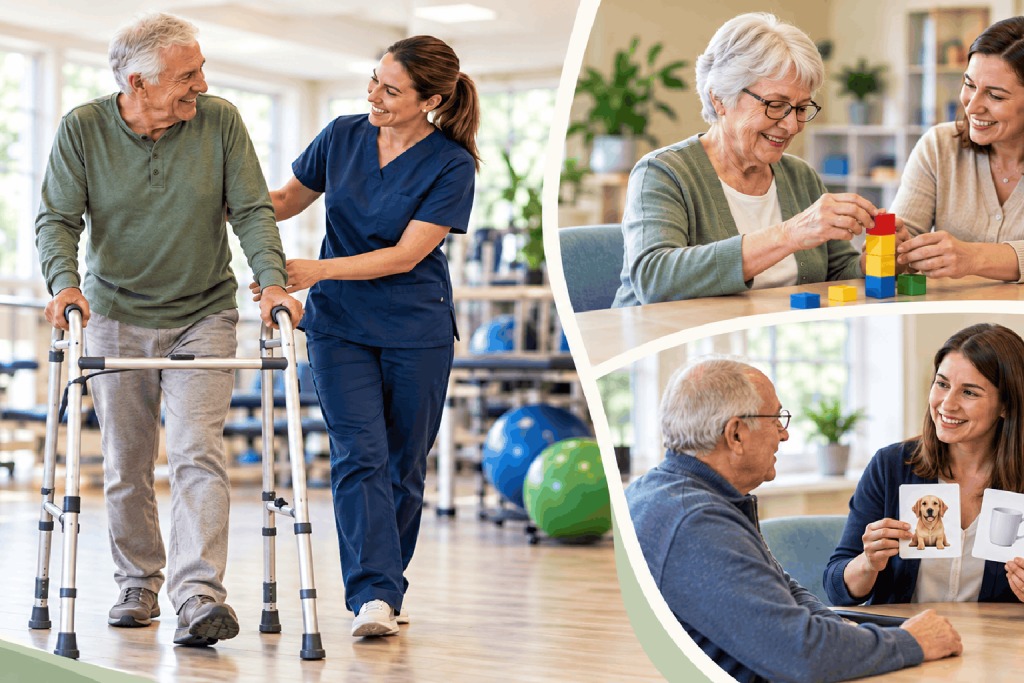
Social Connection
Social Interaction Helps Residents Feel Connected
One of the most valuable aspects of therapeutic activities is the opportunity to connect with other people.
Older adults entering rehabilitation or long-term care may be separated from familiar neighbors, friends, or community routines. Even when family members visit regularly, residents may miss the spontaneous conversations and social experiences that were once part of their everyday lives.
Group activities can help create new opportunities for connection.
A resident attending a craft program may discover that the person sitting beside them shares a love of gardening. Two people playing cards may begin talking about their families or favorite memories. A music program may inspire residents to sing together or share stories about songs they remember from earlier years.
These interactions can gradually develop into friendships and a stronger sense of belonging.
Social engagement doesn’t have to involve large gatherings, either. Some residents prefer smaller groups or one-on-one conversations, and those experiences can be just as meaningful.
At Scottish Pines, recognizing individual preferences is an important part of creating opportunities for residents to participate comfortably.