- Follow Us:
- (910) 276-8400


How Therapy Services Work Together During Recovery at Scottish Pines
October 16, 2026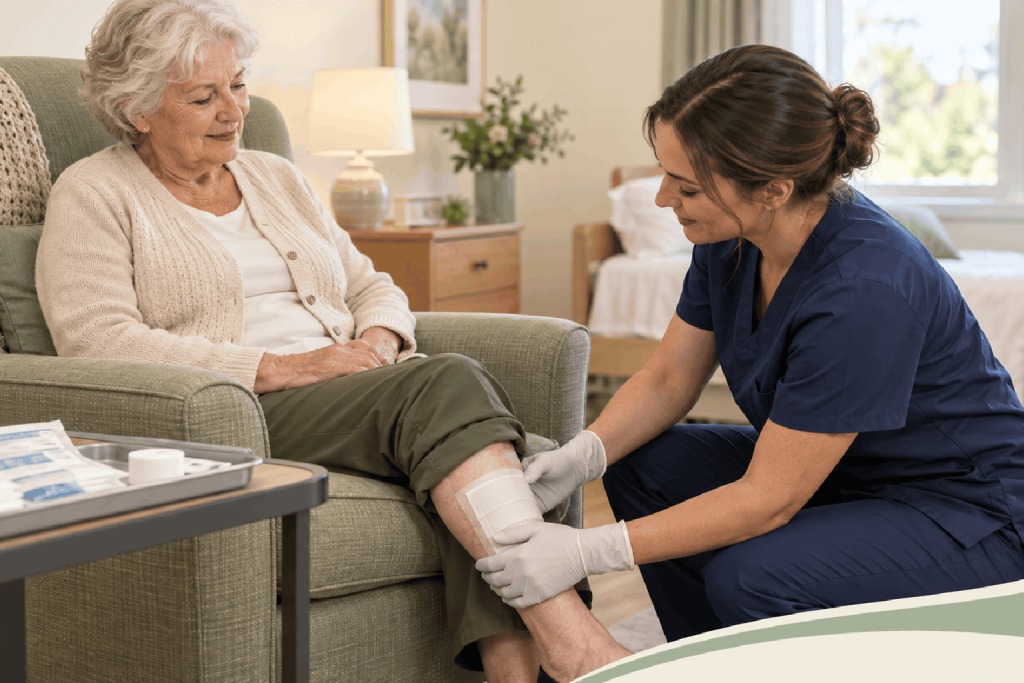
Knowing which wounds need professional attention, and which warning signs to watch for, helps families make confident decisions about a loved one’s care.
Most of us can manage a small cut or scrape without much concern: clean the area, protect it, and let the body heal. For older adults, however, wound healing isn’t always that straightforward. Age-related skin changes, limited mobility, diabetes, circulation problems, nutritional concerns, and other health conditions can make certain wounds more difficult to heal. A wound that initially appears minor may require closer monitoring, while surgical wounds, pressure injuries, and other complex wounds may need ongoing care from healthcare professionals.
Knowing when to seek help matters because wound management isn’t just about changing a bandage. Skilled nursing wound care can involve assessing the wound, following treatment orders, monitoring healing, watching for complications, and coordinating with other healthcare professionals when concerns arise. For families seeking wound care in Laurinburg, NC, understanding which wounds may need professional attention and which warning signs shouldn’t be ignored can help them make informed decisions about a loved one’s care. This guide from Scottish Pines Rehabilitation & Nursing Center walks you through what to know.
Jump To Section
Healing and Aging
Why Wounds Can Be More Complicated for Older Adults
Our skin changes as we age. It generally becomes thinner and more fragile, making it easier to injure. At the same time, some older adults live with health conditions that can interfere with the body’s normal healing process.
Diabetes may affect circulation and sensation. Someone with reduced sensation may not notice an injury right away, especially on the feet.
Circulation problems can make it more difficult for oxygen and nutrients to reach damaged tissue.
Limited mobility means people who spend long periods in bed or a chair may experience prolonged pressure on certain areas of the body. Without appropriate prevention and care, this can contribute to pressure injuries.
Nutrition and hydration also affect healing. The body needs adequate nutrients to repair damaged tissue, and illness or decreased appetite can sometimes make it difficult for older adults to meet those needs.
Because so many factors can influence healing, professional wound care looks at more than the wound itself. The resident’s overall health and individual risk factors matter too.
Wound Types
What Types of Wounds May Require Skilled Nursing Care?
Not every wound needs skilled nursing services, but some are more likely to require professional evaluation, treatment, or ongoing monitoring.
Surgical wounds need monitoring as the incision heals after a procedure. Care requirements depend on the type of surgery, the physician’s instructions, and the individual’s health.
Pressure injuries can develop when prolonged pressure reduces blood flow to the skin and underlying tissue, particularly in areas such as the heels, hips, tailbone, or other bony areas.
Diabetic wounds, including certain foot wounds, can be particularly concerning because changes in sensation and circulation may affect both detection and healing.
Other wounds that may require professional care include skin tears, traumatic wounds, vascular wounds, or wounds that aren’t healing as expected.
A wound’s appearance alone doesn’t always reveal how serious it is. A healthcare professional can assess the wound in the context of the person’s medical history, symptoms, and healing progress.
Healing Progress
When a Wound Isn’t Healing as Expected
Healing takes time, and the timeline varies with the wound type and severity. However, a wound that shows little improvement or seems to be worsening deserves attention.
Regular monitoring matters because healthcare professionals can spot changes over time rather than relying on a single observation. The care team may ask questions like these:
Is the wound getting smaller?
Is the surrounding skin changing?
Has drainage increased or changed?
Is pain improving or becoming more severe?
Tracking these details can help the care team determine whether the wound is progressing appropriately or needs further evaluation. For residents receiving skilled nursing wound care, this ongoing assessment can be an important part of the treatment process.
Warning Signs
Warning Signs Families Should Take Seriously
Families don’t need to become wound care experts, but it helps to know when something may require prompt medical attention.
Changes around the wound, such as increasing redness, warmth, swelling, pain, unusual or foul-smelling drainage, or worsening tenderness, can be concerning.
Signs of illness like fever, chills, confusion, or unusual weakness should also be reported promptly.
Red streaking extending from a wound or rapidly worsening symptoms can require urgent medical evaluation.
Emergency situations may include a wound that is bleeding heavily and won’t stop, is very deep, was caused by a serious injury, or is accompanied by other severe symptoms. In these cases, emergency medical attention may be appropriate.
Subtle changes matter too. Older adults may not always develop obvious symptoms when something is wrong, so watch for meaningful changes in behavior, appetite, alertness, or overall condition.
When in doubt, contact an appropriate healthcare professional rather than waiting for symptoms to worsen.
Skilled Nursing Care
What Does Skilled Nursing Wound Care Involve?
Skilled nursing wound care is more than replacing dressings. Care begins with understanding the wound and the treatment plan established by the appropriate healthcare provider. Depending on the resident’s needs and medical orders, nursing care may include:
Cleaning the wound
Changing dressings
Applying prescribed treatments
Protecting the surrounding skin
Monitoring the area for changes
Documenting wound characteristics to track progress over time
Another important part of wound care is communication. If a wound changes unexpectedly, doesn’t progress as expected, or develops concerning symptoms, nurses may need to share that information with the appropriate provider so the treatment plan can be reassessed.
This consistency can be especially helpful for individuals with complex wounds or other medical conditions that may affect healing.
Prevention
Preventing Pressure Injuries Is Part of the Bigger Picture
For residents with limited mobility, wound care isn’t only about treating an existing injury. Prevention can be equally important.
People who have difficulty repositioning themselves may be at greater risk for pressure injuries. An individualized care plan may include strategies to reduce prolonged pressure and protect vulnerable skin areas. The specific approach depends on the person’s condition and mobility.
Skin observation is also important. Identifying an area of concern early may let the care team respond before it becomes a more serious problem.
Families can help by sharing what they know when a loved one enters a skilled nursing or rehabilitation facility, including:
Previous pressure injuries
Fragile skin
Mobility limitations
Other known concerns
Nutrition and Hydration
Nutrition and Hydration Can Affect Wound Healing
Healing requires resources from the body. Protein and other nutrients support tissue repair, while adequate hydration supports many normal body functions.
Older adults may face nutritional challenges for many reasons:
Illness can reduce appetite
Swallowing difficulties may affect food intake
Certain medical conditions can influence nutritional needs
That’s why wound management may need to look beyond dressings and treatments. Depending on the individual’s situation, the care team may consider nutrition, hydration, medical conditions, mobility, and other factors that could influence healing.
No single food or supplement guarantees wound healing. Nutritional recommendations should be individualized, especially for people with conditions such as diabetes, kidney disease, or other dietary restrictions.
Rehabilitation
Mobility and Rehabilitation May Play a Supporting Role
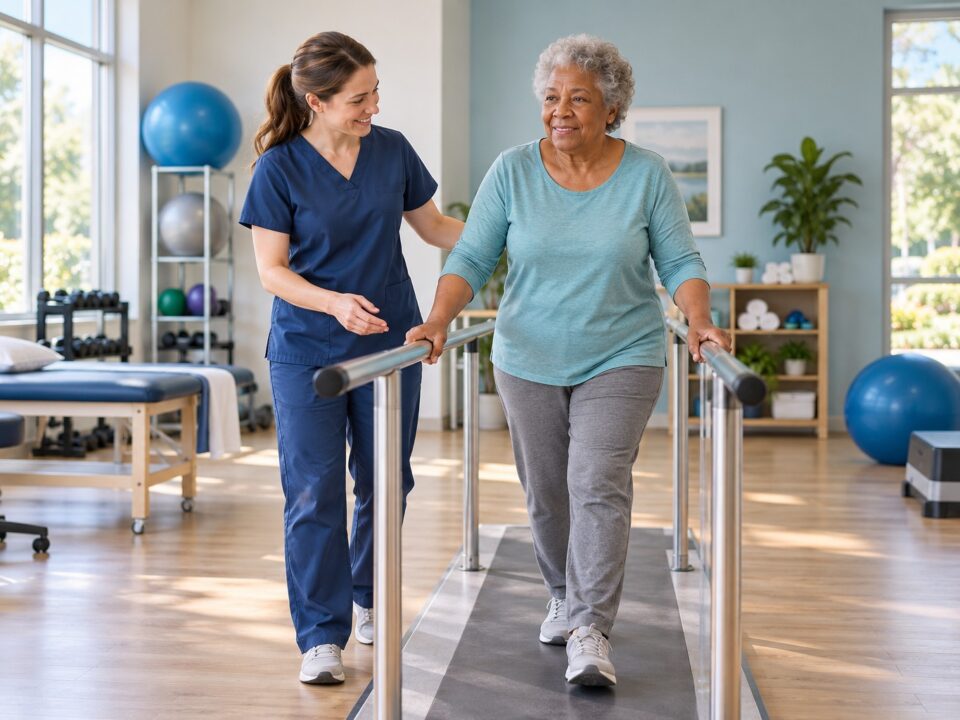
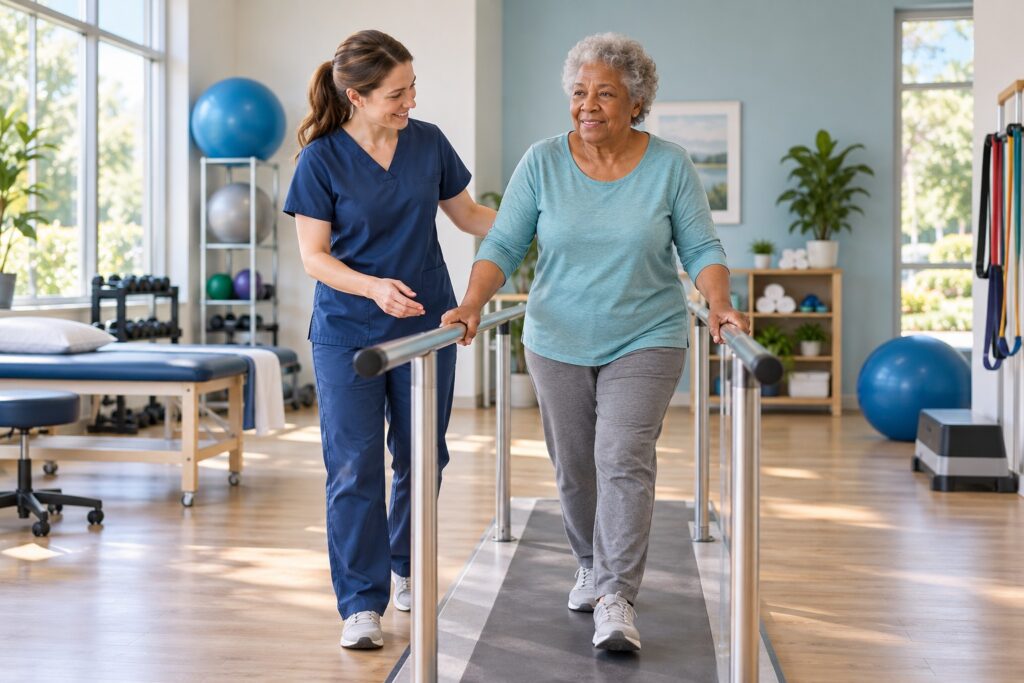
Mobility can also support wound care. For some residents, improving mobility or the ability to change positions may reduce prolonged pressure and support greater independence. Physical or occupational therapy may be involved when appropriate for the individual’s broader rehabilitation needs.
Therapists can also work on safe transfers, positioning, strength, and mobility when those areas are part of the resident’s plan of care.
However, activity needs careful consideration when a wound is present. Depending on its location and severity, certain movements or weight-bearing activities may need to be modified. This is another reason communication among nursing, rehabilitation professionals, providers, and the resident is important.
Ongoing Monitoring
Why Consistent Monitoring Matters
A wound can change between medical appointments. In a skilled nursing environment, regular observation lets the care team monitor the wound in the context of the resident’s overall condition.
That broader view matters. A nurse may notice that a resident’s wound has changed while also recognizing that the resident has become less interested in eating, more fatigued, or increasingly uncomfortable. Together, those details may provide a clearer picture than the wound alone.
Consistent documentation also makes it easier to track whether treatment appears to be supporting healing over time. Families can ask:
How is the wound being monitored?
What changes have been observed?
What goals are included in the care plan?
Choosing a Care Setting
When Is Skilled Nursing Wound Care a Better Option Than Managing a Wound at Home?
Many minor wounds can be managed at home with appropriate guidance. More complex situations may be different. Skilled nursing may be worth discussing when a wound:
Requires specialized dressings or treatments
Needs frequent professional monitoring
Isn’t healing as expected
Occurs alongside medical conditions that complicate healing
Also consider the individual’s overall care needs. An older adult recovering from surgery may need wound care as well as assistance with medications, mobility, bathing, dressing, and other activities. A family caregiver may be comfortable helping with some of those needs but not with complex wound management.
A healthcare provider can help determine the appropriate level and setting of care.
Our Approach
Personalized Wound Care at Scottish Pines
Every wound, and every person living with one, is different.
At Scottish Pines Rehabilitation, we tailor wound care to each resident’s needs and care plan. Scottish Pines wound care may include nursing support, regular observation, prescribed wound treatments, and coordination with other members of the healthcare team as appropriate.
For families searching for wound care in Laurinburg, NC, it helps to ask prospective facilities how they:
Assess and monitor wounds
Communicate changes
Incorporate other health concerns into the resident’s care plan
Medical conditions, mobility, nutrition, medications, and many other factors can affect wound healing. Looking at the whole person can therefore be just as important as looking at the wound.
The goal of professional wound care isn’t simply to cover an injury and wait. It’s to provide consistent, individualized care, monitor progress, and respond appropriately when concerns arise.
For older adults with complex medical needs, that level of attention can be an important part of supporting a safer recovery.
FAQ
Frequently Asked Questions About Skilled Nursing Wound Care
What types of wounds may require skilled nursing wound care?
Surgical wounds, pressure injuries, diabetic wounds, vascular wounds, significant skin tears, and wounds that aren’t healing as expected may require professional evaluation or ongoing care. The appropriate level of care depends on the wound and the individual’s overall health.
What are signs that a wound may be infected?
Warning signs may include increasing redness, warmth, swelling, worsening pain, unusual or foul-smelling drainage, fever, chills, or other changes in overall health. Report these symptoms promptly to an appropriate healthcare professional. Severe or rapidly worsening symptoms may require urgent medical attention.
Why are seniors at greater risk for difficult-to-heal wounds?
Older adults may have thinner, more fragile skin and health conditions that affect circulation, sensation, mobility, nutrition, or the body’s ability to heal. Diabetes and limited mobility are examples of factors that can increase the risk of certain wounds or complications.
How does professional wound care differ from changing a bandage at home?
Professional wound care may include assessment, prescribed treatments, specialized dressings, monitoring and documenting healing, caring for the surrounding skin, and communicating with healthcare providers when a wound changes or isn’t progressing as expected. The exact services depend on the individual’s wound and care plan.
What should families ask when looking for wound care in Laurinburg, NC?
Families seeking wound care in Laurinburg, NC can ask how wounds are monitored, what nursing services are available, how treatment plans are followed, how families receive updates, and how concerns such as mobility, nutrition, diabetes, and other medical conditions are addressed as part of the resident’s overall care.
Have Questions About a Loved One’s Wound Care?
Our caring team at Scottish Pines is here to talk through your loved one’s needs, explain how we monitor and support healing, and welcome you to our warm, home-like community right here in Laurinburg. Reach out to our admissions team or schedule a tour today.