- Follow Us:
- (910) 276-8400

Hospital to Home: Why Transitional Care Matters at Scottish Pines Rehab
August 17, 2026
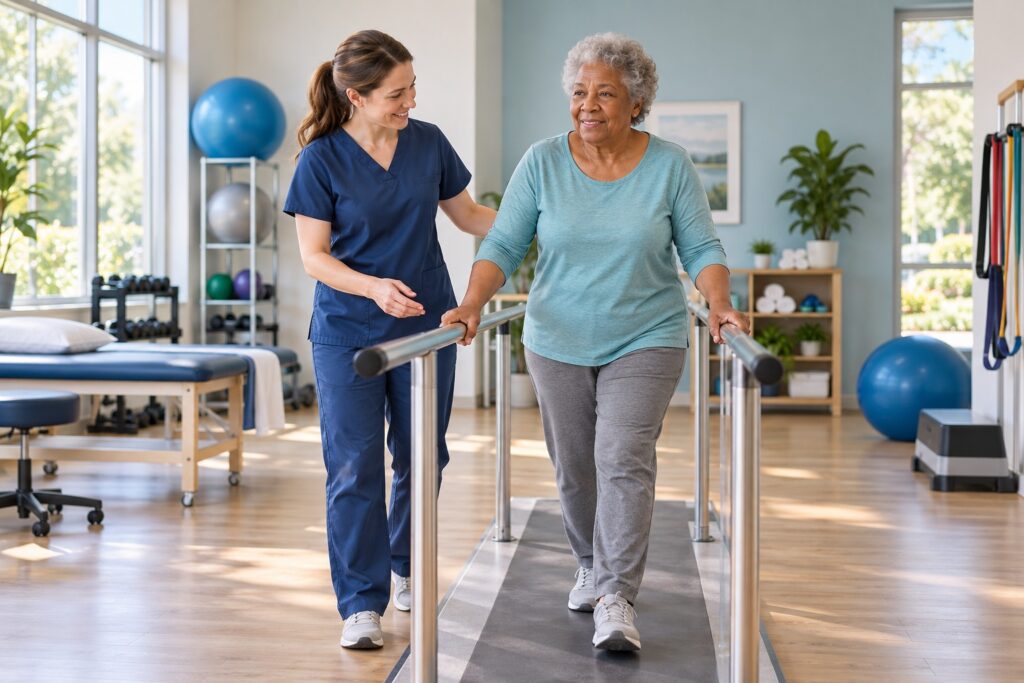
How Physical Therapy Helps Seniors Rebuild Strength and Mobility in Laurinburg, NC
September 17, 2026
When people think about rehabilitation after surgery, illness, or hospitalization, physical therapy is often one of the first services that comes to mind. While exercise, mobility training, and skilled nursing care can be important parts of recovery, nutrition also plays a meaningful role in supporting the body throughout the healing process.
Food provides the energy and nutrients the body uses to maintain muscle, support tissue repair, maintain immune function, and restore energy. During recovery, meeting individual nutritional needs can help support overall health and participation in rehabilitation activities.
At Scottish Pines Rehabilitation & Nursing Center, we recognize that rehabilitation involves more than therapy sessions alone. Nutritional support, skilled nursing care, and individualized rehabilitation services work together based on each resident’s care needs, physician recommendations, eligibility, and service availability.
Jump To Section
Personalized Rehabilitation Nutrition
Protein and the Healing Process
Hydration Supports Overall Health During Recovery
Vitamins and Minerals Support the Body During Recovery
Nutrition and Therapy Work Together
Addressing Common Nutrition Challenges During Short-Term Rehabilitation
Preparing for the Next Stage of Care
Comprehensive Care at Scottish Pines Rehabilitation & Nursing Center
Frequently Asked Questions About Nutrition During Short-Term Rehabilitation
Conclusion
Schedule a Tour
Supporting the Healing Process
Why Nutrition Matters During Rehabilitation
After surgery, illness, or a hospital stay, the body may require additional energy and nutrients as it heals and rebuilds strength.
Protein, vitamins, minerals, calories, and adequate hydration can all play a role in supporting this process.
Some residents may arrive at rehabilitation with reduced appetite or nutritional concerns following illness or hospitalization. Others may experience fatigue, medication-related changes in appetite, swallowing difficulties, or health conditions that affect what and how they eat.
When nutritional needs are not adequately met, residents may experience lower energy levels, loss of strength, or other challenges that can make rehabilitation participation more difficult.
Nutrition does not replace therapy or medical care. Instead, appropriate nutritional support can complement rehabilitation by helping residents meet their individual health and recovery needs.
Nutrition Built Around the Resident
Personalized Rehabilitation Nutrition
Every resident has different nutritional needs based on medical history, medications, dietary restrictions, preferences, health conditions, and physician recommendations.
That is why rehabilitation nutrition should be individualized rather than based on a one-size-fits-all approach.
At Scottish Pines Rehabilitation & Nursing Center, dietary planning may consider factors such as:

Medical and nutritional needs
Dietary preferences
Food allergies or intolerances
Physician recommendations
Swallowing considerations
Existing health conditions
Individual care goals
Some residents may need additional protein, while others may require diabetes-friendly meal planning, heart-conscious dietary considerations, modified food textures, or nutritional supplements when clinically appropriate.
Our care team works to support nutritional needs while considering resident preferences whenever possible.
Building Strength and Repair
Protein and the Healing Process
Protein is an important nutrient during recovery.
It helps support tissue repair, muscle maintenance, wound healing, and normal immune function. Residents recovering from surgery, prolonged illness, or hospitalization may have increased nutritional needs depending on their individual condition.
Sources of protein may include:
Lean poultry
Fish
Eggs
Dairy products
Beans and legumes
Greek yogurt
Lean meats
Nutritional supplements when recommended
Appropriate protein intake can support muscle maintenance and rebuilding as residents participate in rehabilitation activities.
Individual nutritional recommendations should be based on medical needs and guidance from appropriate healthcare professionals.
Supporting Healthy Hydration
Hydration Supports Overall Health During Recovery
Hydration is another important part of overall health during rehabilitation.
Fluids support circulation, digestion, temperature regulation, and many normal body functions. Inadequate hydration may contribute to fatigue, dizziness, constipation, confusion, or weakness, which can make daily activities and rehabilitation more challenging.
Some older adults may experience a reduced sense of thirst or have medical conditions that affect their recommended fluid intake.
At Scottish Pines, hydration needs may be monitored and supported according to each resident’s care plan, medical condition, and physician recommendations.
Staff can encourage appropriate fluid intake while following any individualized fluid restrictions or other clinical instructions.
Essential Nutritional Support
Vitamins and Minerals Support the Body During Recovery
A balanced diet provides vitamins and minerals that support normal body functions during rehabilitation.
For example:
Vitamin C supports normal collagen production and tissue health
Vitamin D and calcium support bone and muscle health
Zinc contributes to normal wound healing and immune function
B vitamins help the body use nutrients for energy
Rather than relying solely on individual supplements, balanced meals can provide a variety of nutrients that support overall health.
When supplements are clinically appropriate, physicians, dietary professionals, or other qualified healthcare providers may make recommendations based on individual needs.
Coordinated Recovery Support
Nutrition and Therapy Work Together
Nutrition and rehabilitation are closely connected.
Residents who receive adequate calories, protein, fluids, and other nutrients may be better positioned to participate in rehabilitation activities according to their abilities and care plans.
Physical activity can also influence nutritional needs. As residents participate in therapy and become more active, appropriate nutritional support can help meet the body’s changing energy requirements.
This is why coordinated care is important.
Nursing staff, rehabilitation professionals, dietary staff, physicians, and other healthcare providers may work together to address nutritional and rehabilitation needs as part of the resident’s individualized care plan.
Overcoming Eating Challenges
Addressing Common Nutrition Challenges During Short-Term Rehabilitation
Residents may experience temporary challenges that make eating and drinking more difficult during recovery.
These can include:
Reduced appetite
Fatigue
Medication-related appetite changes
Swallowing difficulties
Difficulty feeding independently
Changes in taste
Dietary restrictions related to health conditions
Depending on individual needs, support may include:
Modified meal portions or schedules
Texture-modified foods
Nutritional supplements when recommended
Assistance during meals
Dietary adjustments
Swallowing evaluation or speech therapy when clinically appropriate
Speech therapy and other rehabilitation services depend on clinical need, physician direction, eligibility, insurance coverage, staffing, and service availability.
These individualized approaches can help support resident comfort and appropriate nutritional intake during rehabilitation.
Planning Ahead
Preparing for the Next Stage of Care
Healthy nutrition remains important after short-term rehabilitation.
As residents prepare for their next stage of care, they and their families may receive guidance related to dietary recommendations, hydration, meal planning, medication considerations, and ongoing health needs.
The appropriate transition differs for every resident.
Some residents may return home, while others may continue receiving services through home healthcare, outpatient rehabilitation, long-term care, or another appropriate care setting.
Nutrition education and care recommendations may help residents and families better understand how to continue supporting individual dietary needs after discharge.
Care You Can Count On
Comprehensive Care at Scottish Pines Rehabilitation & Nursing Center
At Scottish Pines Rehabilitation & Nursing Center, we take a personalized approach to short-term rehabilitation.
Depending on each resident’s individual needs and care plan, rehabilitation support may include:
Physical therapy
Occupational therapy
Speech therapy
Skilled nursing care
Medication management
Dietary and nutritional support
Care coordination
Transition planning
Nutritional considerations may be incorporated into care planning to support overall health, energy, strength, and participation in rehabilitation.
Whether a resident is recovering from surgery, illness, injury, or hospitalization, our interdisciplinary team focuses on providing compassionate support based on individual needs, abilities, preferences, and care goals.
Common Questions
Frequently Asked Questions About Nutrition During Short-Term Rehabilitation
1. Why is nutrition important during short-term rehabilitation?
Nutrition provides energy, protein, vitamins, minerals, and fluids that support normal body functions during recovery. Meeting individual nutritional needs can also help support strength, energy, and participation in rehabilitation activities.
2. Are meals personalized for residents during rehabilitation?
Dietary needs may be adjusted based on each resident’s medical condition, physician recommendations, allergies, dietary restrictions, swallowing needs, and personal preferences when possible. Individual meal and nutrition recommendations vary according to the resident’s care plan.
3. What if a resident has difficulty swallowing or eating?
Residents experiencing swallowing or eating difficulties can be evaluated to determine appropriate care recommendations. Depending on clinical needs, support may include texture-modified foods, meal assistance, dietary adjustments, or speech therapy services when clinically appropriate and available.
Supporting Recovery and Well-Being
Conclusion
Recovery involves more than therapy alone. Nutrition, hydration, nursing support, rehabilitation services, and care coordination can all play a role in supporting residents during short-term rehabilitation.
Appropriate nutrition can support normal tissue repair, energy, muscle health, and overall well-being while residents work toward their individual rehabilitation goals.
At Scottish Pines Rehabilitation & Nursing Center, we provide personalized care based on each resident’s needs, abilities, preferences, and clinical recommendations.
Through nutritional support, compassionate skilled nursing care, and individualized rehabilitation services, we help residents work toward improved strength, function, and greater independence as they prepare for the next appropriate stage of care.
Personalized nutrition. Compassionate support. Care focused on recovery and well-being.
Need Support During Short-Term Rehabilitation?
Our rehabilitation, nursing, and dietary teams provide personalized support based on each resident’s individual needs and care plan. Contact us to learn more about short-term rehabilitation or schedule a tour.